Antiwar Protest

Close the Loopholes, Stand with Ukraine

Russia’s war in Ukraine is financed by fossil fuel revenues. We are working to cut them off.

Since Russia’s full-scale invasion of Ukraine, Western governments have announced wave after wave of sanctions. But too often, the reality has fallen short of the rhetoric. Loopholes remain open, exemptions protect strategic interests, and enforcement is slow or weak.

Russian LNG still reaches global markets. A shadow fleet carries Russian oil around restrictions. Nuclear fuel dependency continues to soften political pressure.

Urgewald tracks the ships, companies, dependencies and financial flows that keep Russian energy revenues moving, whether through fossil fuels, LNG, oil shipping or nuclear fuel. We bring this research to journalists, parliamentarians, regulators and enforcement bodies who can act on it.

Our investigations have helped bring hidden sanctions gaps into public debate, from the European services still enabling Russian Arctic LNG to the companies, vessels and contracts that keep Russian energy revenues flowing. Urgewald research is often cited by major international and specialist media, informed scrutiny in the UK and European policy debates, and supported partners pushing for tougher action against Russian energy imports globally. 

When governments delay action, write exemptions into law, or protect energy interests at the expense of Ukraine and European security, we make that visible.

Sanctions are only as strong as the political will behind them. We work to build that will.

 

For media enquiries or further information
Sebastian Rötters
Sebastian Rötters
Energy and Sanctions Campaigns
sebastian@urgewald.org
Alexander Kirk
Alexander Kirk
Strategic Communications Specialist
Alexander.Kirk@urgewald.org

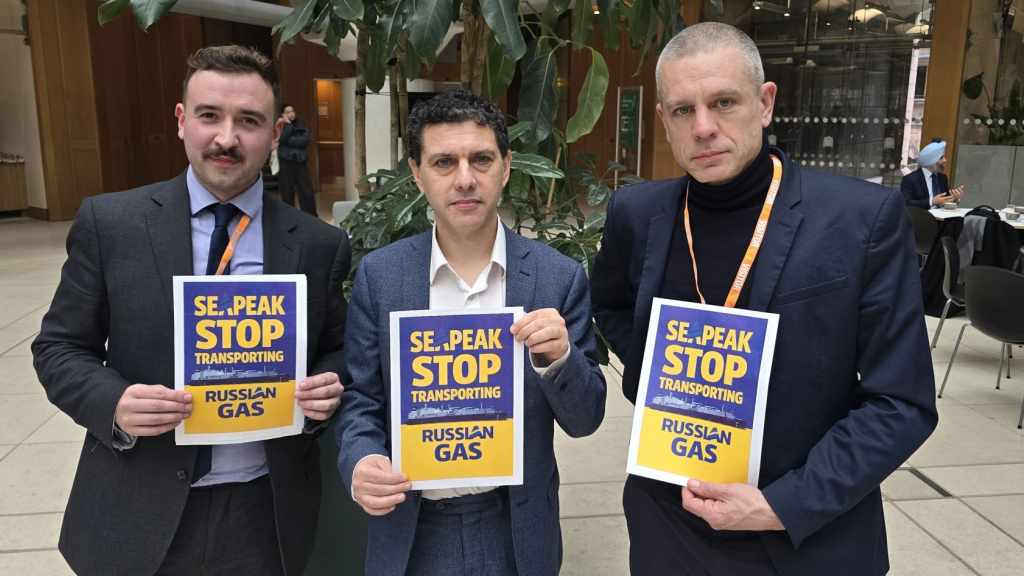
Alex Sobel, Sebastian, Alexander holding a leaflet

Urgewald campaigners Alexander Kirk (left) and Sebastian Rötters (right) briefing Alex Sobel MP, Chair of the Ukraine All Party Parliamentary Group, on the ongoing role of British company Seapeak and the ARC7 fleet in enabling exports of Russian Arctic LNG.

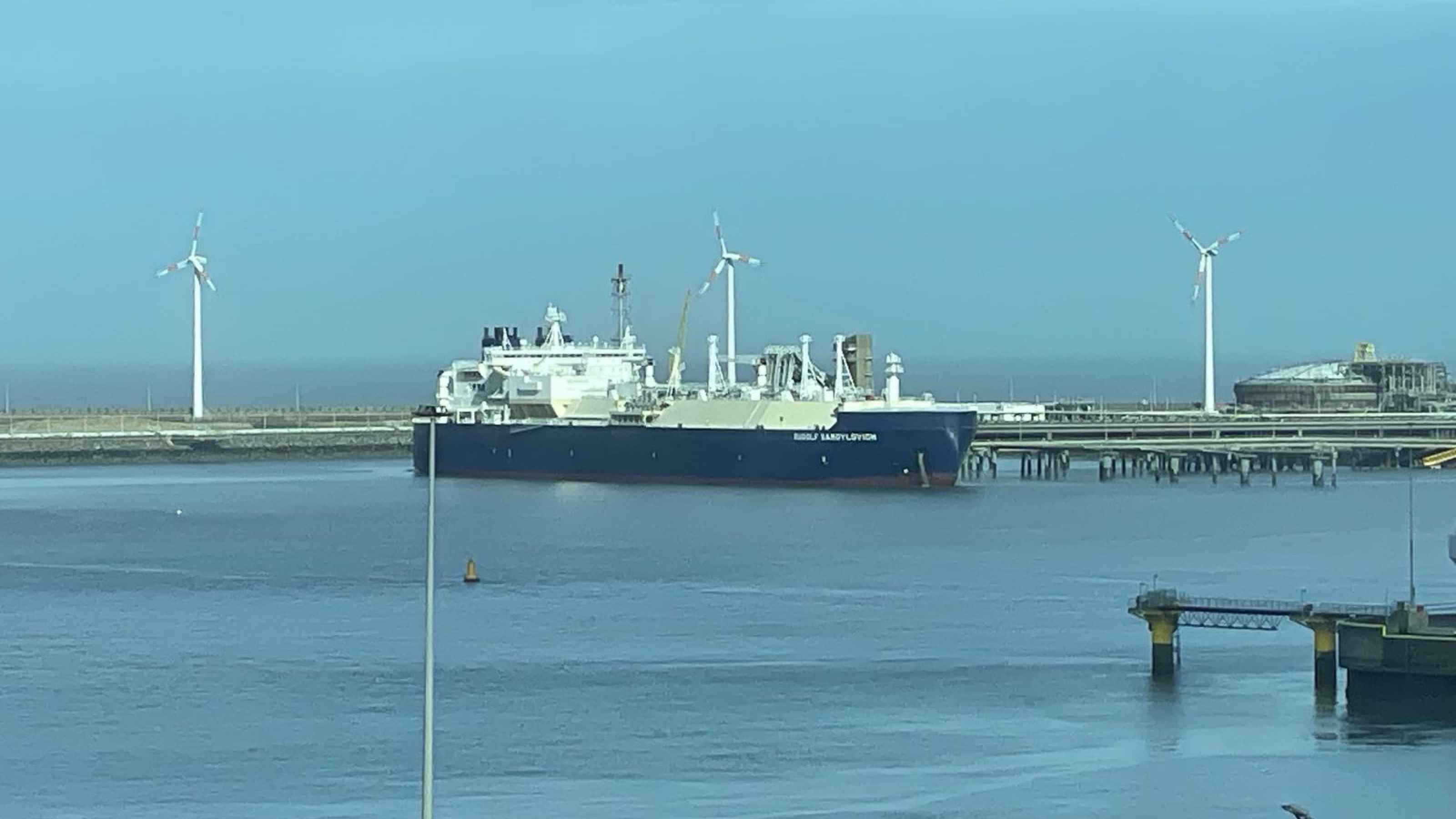
Russian LNG and the Arc7 fleet

Russia’s Arctic LNG projects were built to supply global markets for decades. Despite sanctions, liquefied natural gas continues to flow through a small fleet of specialised ice class tankers.

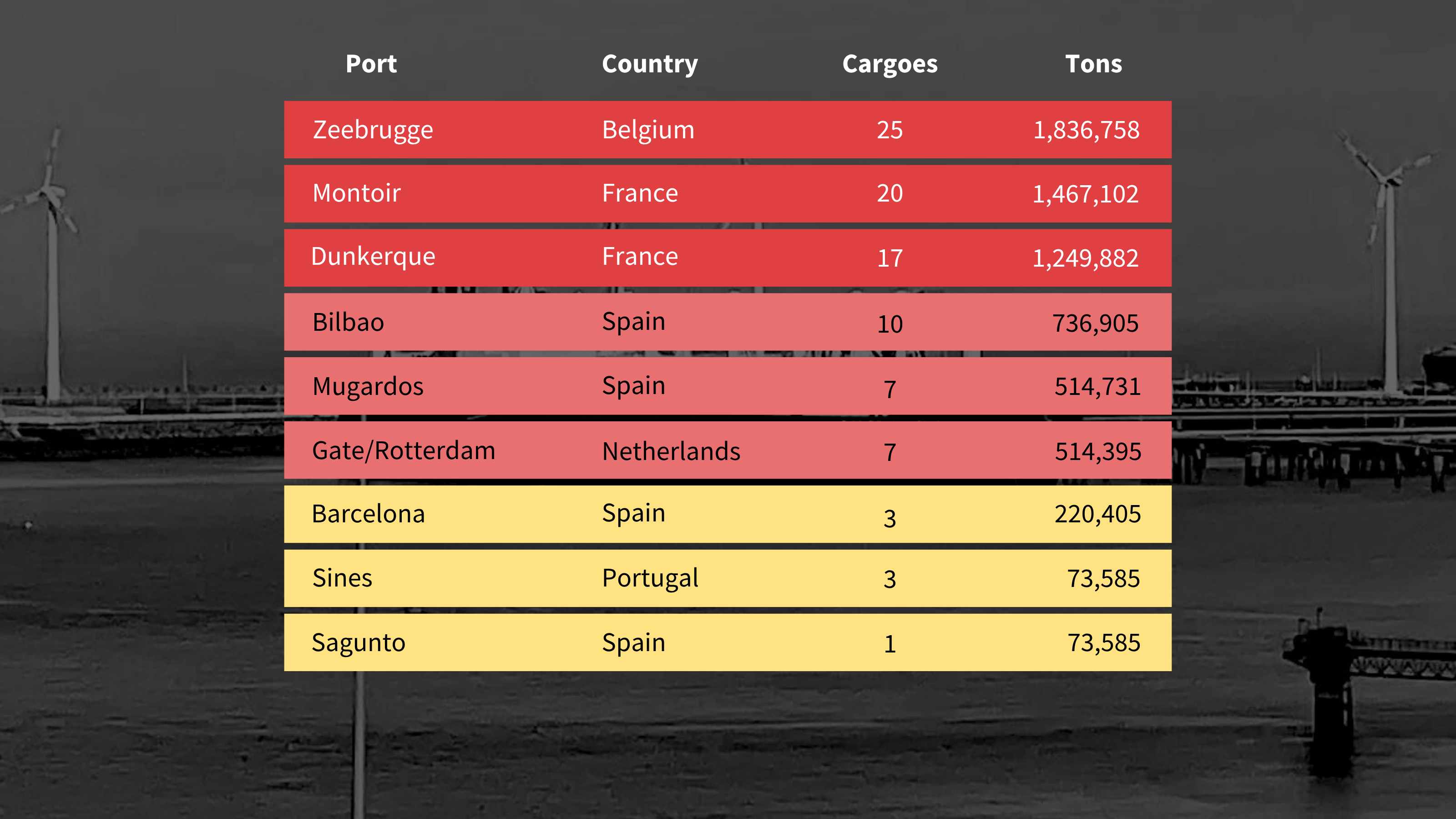
Urgewald monitors this fleet, the companies that operate it, and the buyers who receive its cargo. Our research has exposed how Yamal LNG continues to rely on European demand, ports, services and shipping links, even as governments promise to end Russian gas imports. This work has helped put the Arc7 fleet and its European enablers into the political debate, including in the UK Parliament and in Brussels discussions over closing LNG shipping and services loopholes.

latest press releases on our campaign

Tracking Russian fossil fuel flows

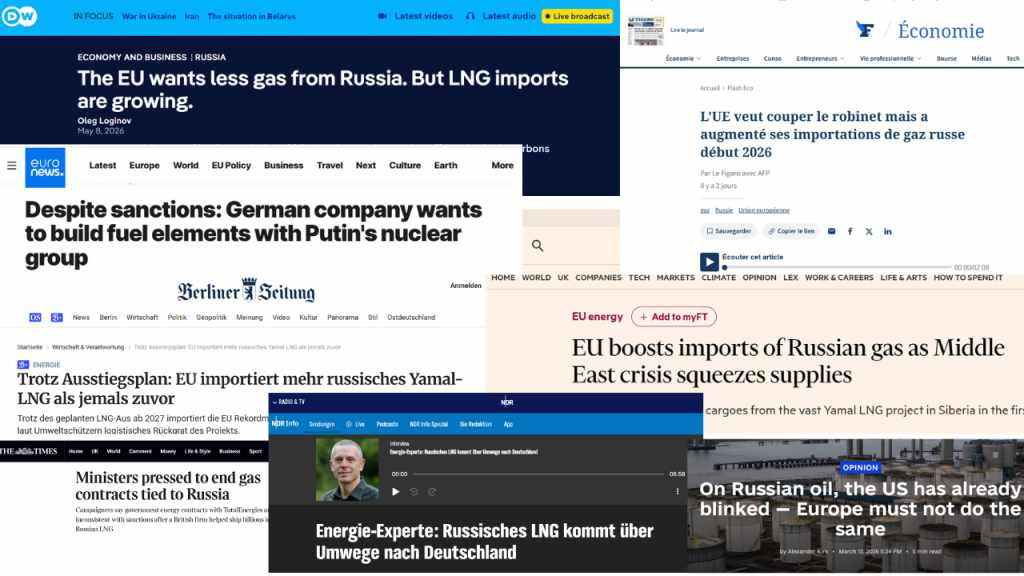
Russia’s fossil fuel trade does not stop at the point of extraction. It moves through cargoes, ports, tankers, insurers, service providers, traders and buyers. Urgewald uses advanced data tools to track Russian fossil fuel movements. We turn complex shipping and market data into clear, timely evidence that partners, journalists, policymakers and enforcement bodies can use. This work helps partners respond quickly to fast moving developments, shape the most up to date media angles, and secure headlines around the world. By showing where Russian fossil fuels go, who handles them, and which companies benefit, we help expose the systems that keep revenues flowing despite political promises to reduce dependency.

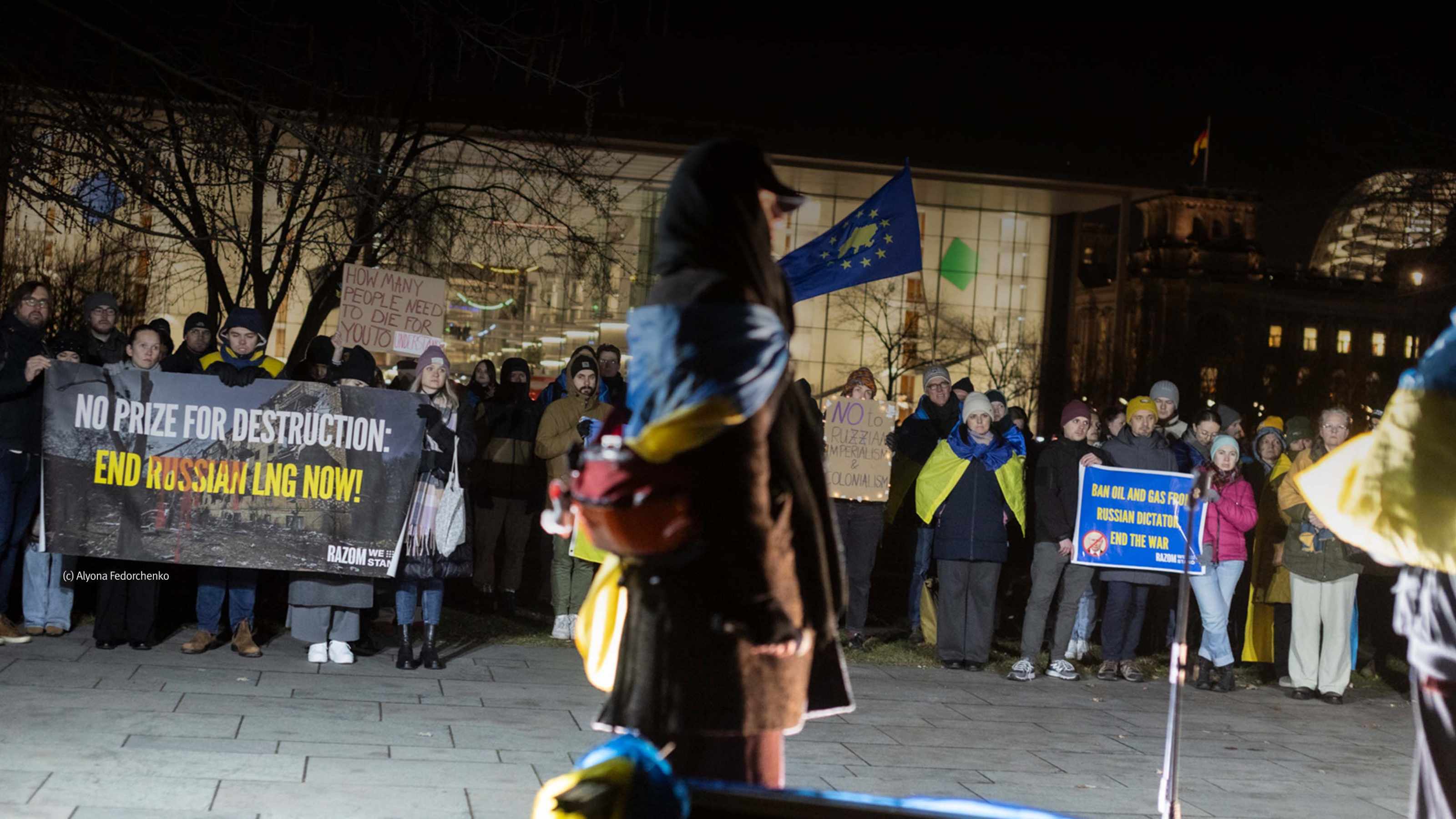
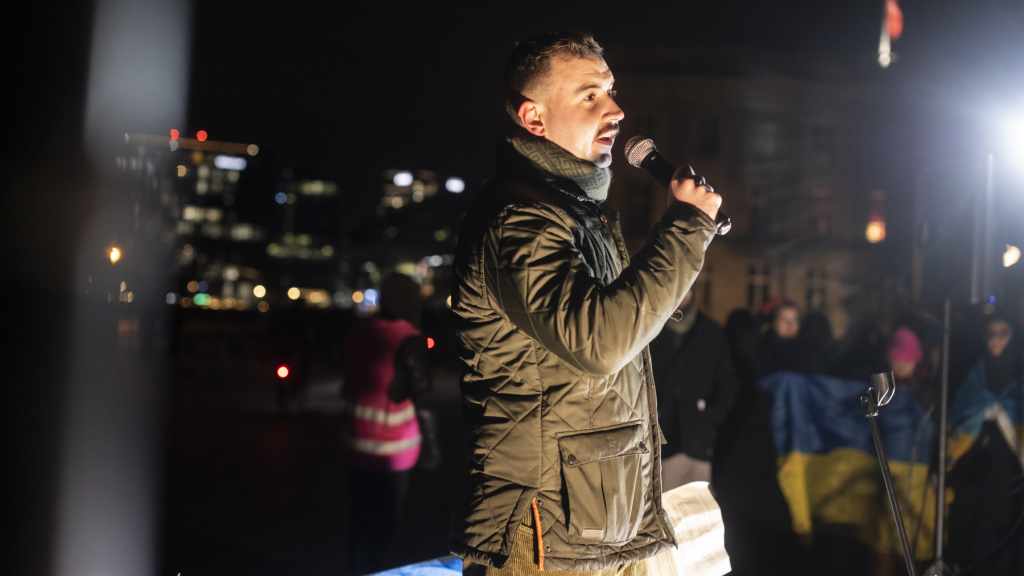
Vladimir Slivyak at an anti war protest

Vladimir Slivyak, Co Chair of Ecodefense and Right Livelihood Laureate

Nuclear fuel and strategic dependence

Several European countries still depend on Russian nuclear fuel to run Soviet era reactors. This dependence creates a quiet political incentive to keep exemptions in place and avoid tougher action against Rosatom.

Working with our partner Ecodefense, Urgewald examines these relationships, the leverage they give Moscow, and what genuine alternatives could look like. Together, we have challenged Rosatom’s role in Europe through briefings, expert commentary and media work, including on the proposed Framatome and TVEL cooperation at the Lingen fuel factory, Hungary’s Paks II project, and wider European dependency on Russian reactor fuel.

This work has also helped bring Russian nuclear dependency into Russian speaking and exile media debates, where Ecodefense’s expertise is especially important. Together, we show that Rosatom is not a neutral commercial partner, but part of the Kremlin’s wider war economy and geopolitical influence network.

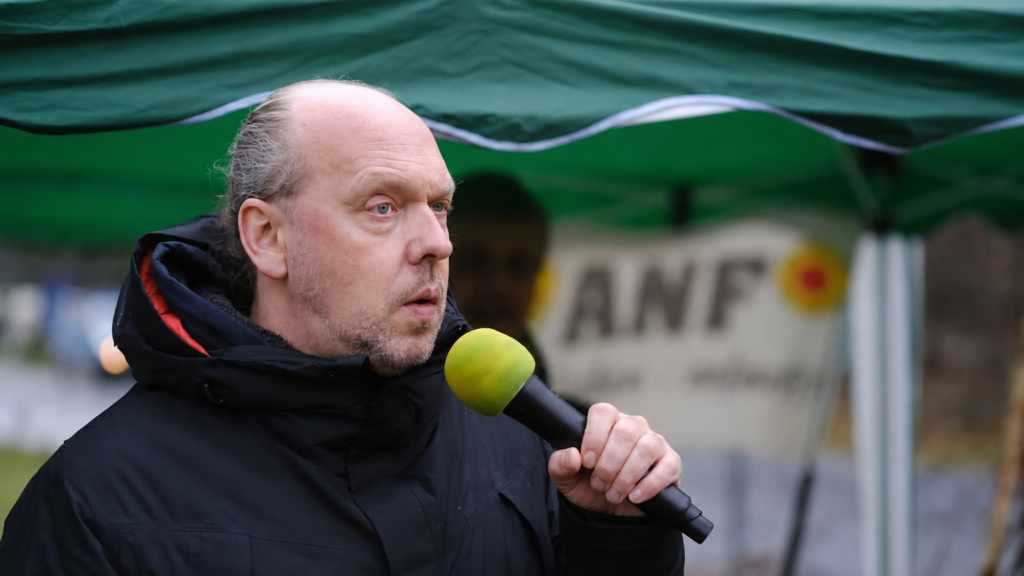
Alex Kirk speaken at a demonstration on sanctions on russia

Research, media and political pressure

Urgewald does not publish research and wait. We brief decision makers, support investigative journalists, and maintain pressure between news cycles.

Our sanctions work combines rigorous research with strategic communications and direct political engagement. In recent months, this approach has helped turn complex energy and sanctions data into agenda setting media stories, public scrutiny, parliamentary pressure and sharper debate over the next steps for EU, UK and allied sanctions.

Beyond Europe, Urgewald has also supported partner efforts to expose Russian energy dependency in Taiwan. Joint research with Taiwanese and international partners helped draw attention to Taiwan’s Russian naphtha imports, with Taiwanese authorities later saying they would cooperate with further restrictions on Russian energy imports and review relevant control measures as sanctions evolve.

The goal is simple: expose the gaps, close the loopholes, and make sanctions harder to ignore.

This vital work is only possible because of you.